
Camas PFAS Mitigation
**Officials with the City of Camas have announced that Well 13 has been turned off for the season. 9/29/26**
PFA and the Camas Water System
Per- and polyfluoroalkyl substances (PFAS) are a large group of manufactured chemicals that have been used in consumer and industrial products for decades. Because many PFAS break down very slowly, they can persist in the environment and have been detected in drinking water supplies across the country.
PFAS have been detected at varying levels in several of the City of Camas' groundwater wells. The City has been actively monitoring PFAS in its water system since 2022 and conducts ongoing sampling in accordance with state and federal drinking water requirements. The City works closely with the Washington State Department of Health (DOH) and remains committed to meeting all applicable monitoring, reporting, public notification, and drinking water requirements.
The City's response is focused on three areas:
- Continued monitoring of the water system
- Construction of PFAS treatment at Well 13
- Development of Lower Well Field PFAS Treatment Strategy
For more information about PFAS, potential health effects, and federal actions, visit the Per- and Polyfluoroalkyl Substances (PFAS) | US EPA
Continued Monitoring of the Water System
The City operates 10 groundwater wells that provide drinking water to the Camas water system. Nine of these wells are located within the Lower Washougal Wellfield, which provides the majority of the City's drinking water supply. The map below shows the locations of the City's groundwater wells.
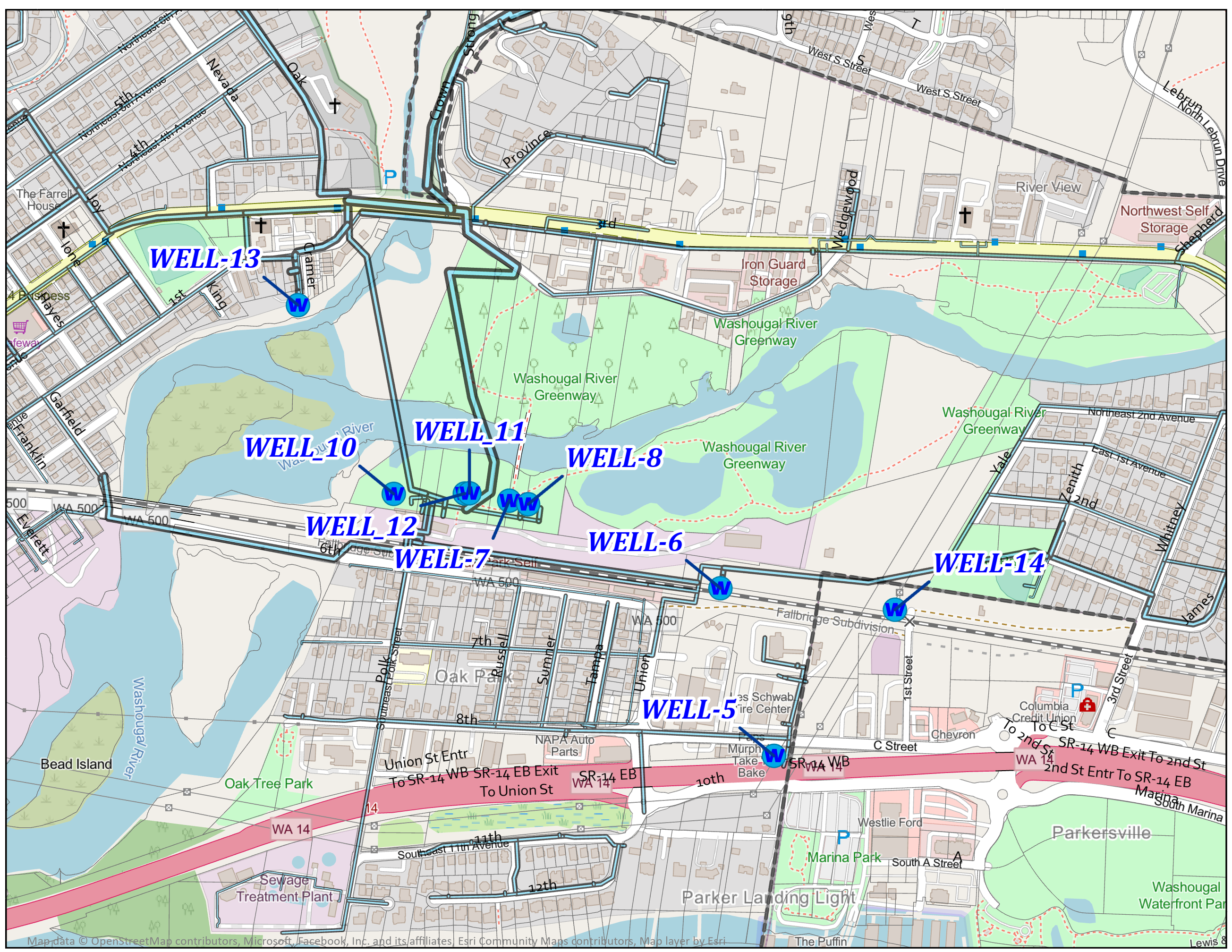
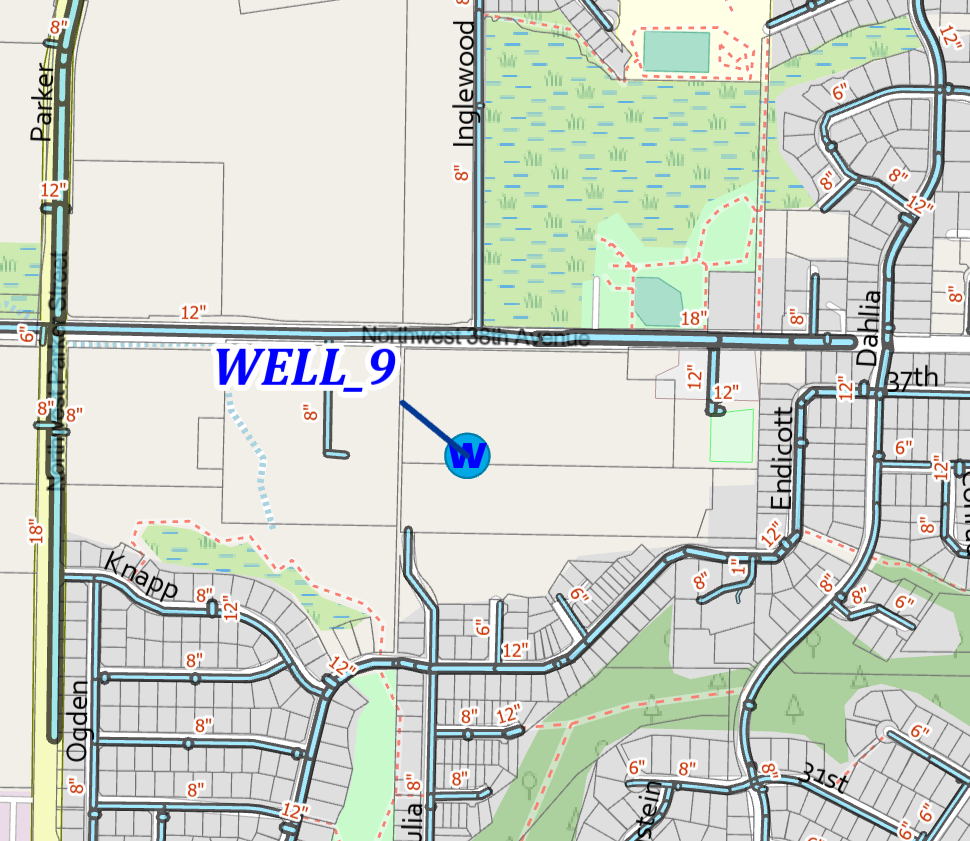 The City regularly samples its groundwater wells for PFAS. Sampling frequency is coordinated with the Washington State Department of Health (DOH) and is based on previous testing results and applicable state and federal monitoring requirements. When a seasonal well, such as Well 13, is taken out of service, routine sampling is not required while the well is offline. Sampling resumes as required when the well is returned to service.
The City evaluates PFAS sampling results in accordance with applicable Washington State Action Levels (SALs) and federal Maximum Contaminant Levels (MCLs). These standards and associated monitoring requirements continue to evolve. For current information regarding PFAS drinking water standards, monitoring requirements, and State Action Levels, visit the Washington State Department of Health's PFAS webpage (PFAS in Drinking Water—Group A Public Water System Information and Support | Washington State Department of Health).
If an MCL exceedance occurs under applicable drinking water regulations, the City is required to provide written notice to its water customers.
All PFAS testing documentation and sampling results are provided in the documents to the right under “PFAS Sampling Results.”
Construction of PFAS Treatment at Well 13
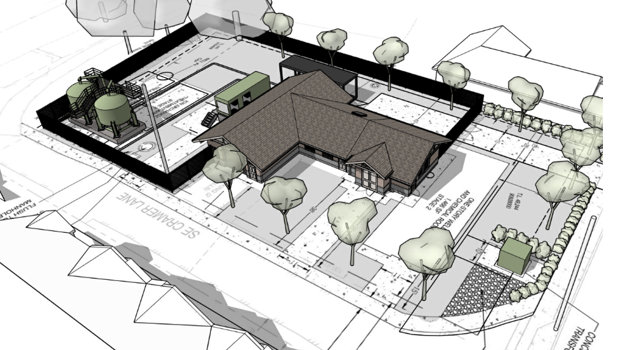
Well 13 is the largest production well in the City and is an important part of meeting water demands, particularly during the higher-demand summer months. Well 13 has also historically experienced the highest PFAS concentrations among the City's groundwater wells. In response, the City is constructing a dedicated PFAS treatment facility at Well 13.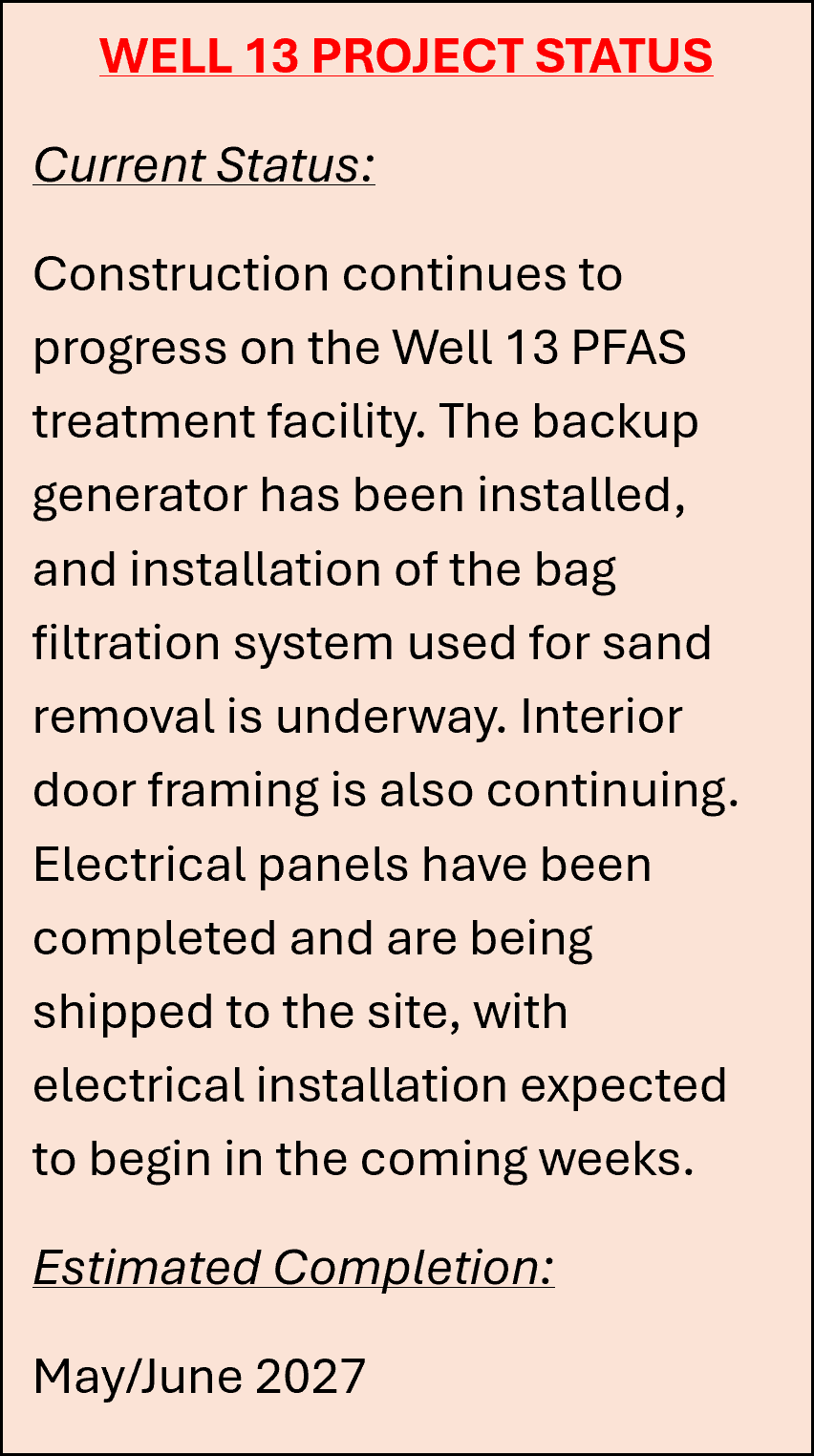
The new facility will use ion exchange (IX) treatment to remove PFAS from the water. As water passes through the treatment system, specialized resin captures and binds PFAS compounds before the treated water enters the City's drinking water system. Ion exchange was selected following an evaluation of treatment alternatives and provides an effective treatment approach with a relatively small facility footprint and flexibility for future expansion. The design is based on Well 13's approximately 1,325 gallons-per-minute capacity and includes provisions for future expansion.
Construction of the Well 13 treatment facility is currently underway and, when completed, is expected to be one of the first municipal PFAS treatment systems placed into service in Southwest Washington. The project reflects the City's proactive approach to addressing PFAS, moving forward with treatment while drinking water regulations continue to evolve and many communities are still evaluating long-term treatment needs.
Development of Lower Well Field PFAS Treatment Strategy
In addition to constructing treatment at Well 13, the City is developing a long-term PFAS mitigation plan for the Lower Washougal Wellfield, which provides the majority of the City's drinking water supply. The goal is to develop a comprehensive strategy for addressing PFAS while maintaining a safe, reliable water supply as Camas continues to grow.
The City's approach considers both treatment and non-treatment strategies, including continued PFAS sampling, groundwater modeling, investigation of potential PFAS sources, evaluation of treatment and blending alternatives, and public outreach. The City is also evaluating how future water demands and planned water-system improvements should be coordinated with future PFAS investments.
As part of this effort, the City is updating its groundwater model to better understand groundwater flow, interactions between City wells, and potential PFAS movement. The City has also completed an inventory of known, potential, and suspected historic contaminant sources. Together, this work will help identify opportunities for additional monitoring and inform future PFAS mitigation decisions.
Construction pictures as of September 2026
The PFAS Mitigation Plan is nearing completion. Once finalized, the plan and supporting technical documents will be made available in the “Documents” section of this webpage.
-

Email brachal@cityofcamas.us -
Utilities Manager

Phone 360-817-7003 Email rcharles@cityofcamas.us
-
 2023
2023
-
 VGD0042_1 UCMR5_Final 05 17 2023 1325.pdf (2.5 MB) (pdf)
-
VGG0248_1 final 08 03 2023 1323.pdf (1.5 MB) (pdf)
-
VGH0594_1 final 09 07 2023 1646_5711 SE Strong RD.pdf (1.41 MB) (pdf)
-
VGJ0676_1 UCMR5_Final 11 14 2023 1530 (003).pdf (1.65 MB) (pdf)
-
J105201-1 UDS Level 2 Report Final Report.pdf (1.34 MB) (pdf)
-
VGL0124_1 final 01 03 2024 1609.pdf (1.51 MB) (pdf)
-
-
2024
-
2025
-
VIC0274 Final RECREATE 03 30 2025 2127.pdf (1.46 MB) (pdf)
-
VIE0435 Final RECREATE 06 05 2025 1407.pdf (1.98 MB) (pdf)
-
VIF0308_1 Final 07 01 2025 1411.pdf (5.43 MB) (pdf)
-
VIG0061_2U Final 07 17 2025-Repeat.pdf (5.4 MB) (pdf)
-
Well 9_VIH0117_1 Final ug-L 08 20 2025.pdf (4.02 MB) (pdf)
-
VIJ0265_1 Final ug-L 10 29 2025 1305.pdf (4.44 MB) (pdf)
-
VIK0335_1 ug-l Final 12 03 2025 1554.pdf (4.36 MB) (pdf)
-
VID0316_1 final 04 29 2025 1737_Individual Wells.pdf (2.42 MB) (pdf)
-
-
2026


